

Types of Insomnia
- Primary Insomnia: Occurs independently of other medical or psychiatric conditions
- Secondary Insomnia: Caused by an underlying health condition (e.g., anxiety, chronic pain, asthma), medication, or substance use
Some people experience insomnia symptoms occasionally and can benefit from behavioral guidance. Others experience the syndrome of insomnia, where daytime symptoms — such as poor memory, mood swings, or chronic exhaustion — indicate the need for specialized treatment.
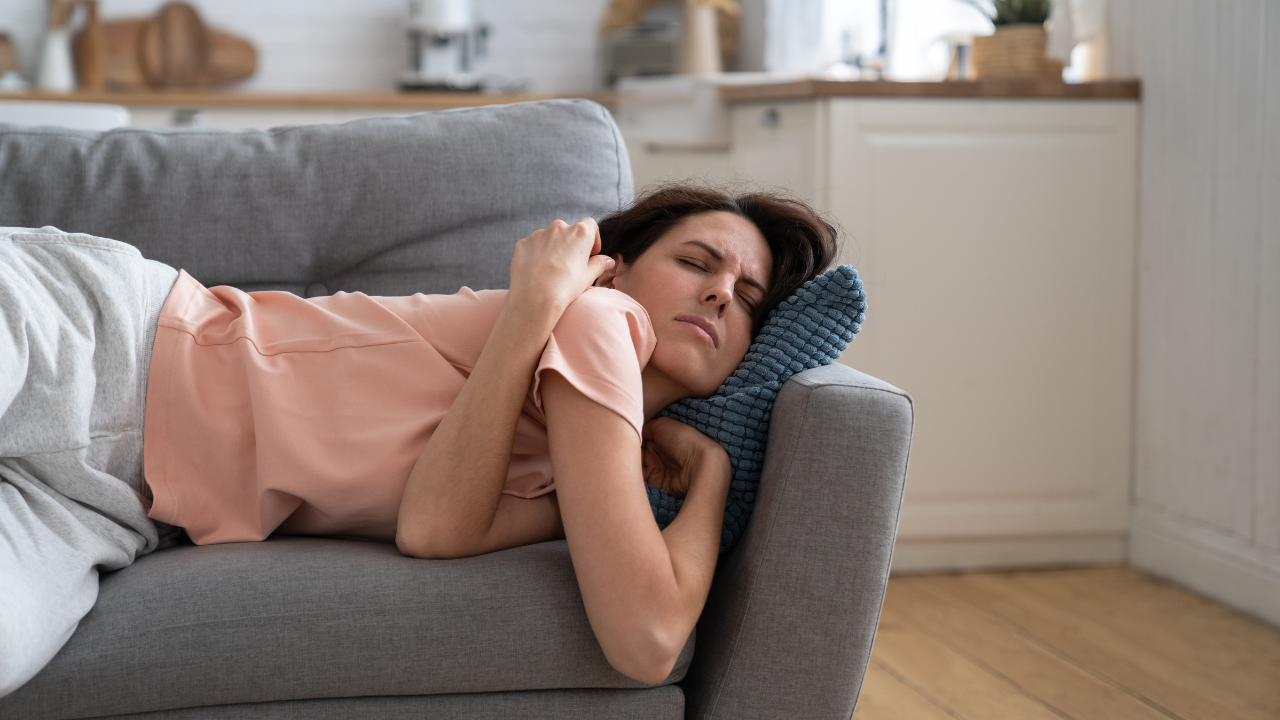
Special Considerations: Insomnia in Women
Hormonal fluctuations, pregnancy, menopause, and increased risk of anxiety or depression make women more prone to insomnia. Many women suffer from both sleep disturbances and coexisting mental health conditions, requiring integrated treatment.

Travel Insomnia
Jet lag, unfamiliar environments, or the "First Night Effect" can prevent restful sleep while traveling. Difficulty entering REM sleep and brain alertness in new spaces may result in temporary insomnia.

Workplace Impact
Chronic insomnia reduces performance, concentration, and productivity. It increases the risk of work-related errors, accidents, and burnout — and often results in more sick days or long-term disability claims.
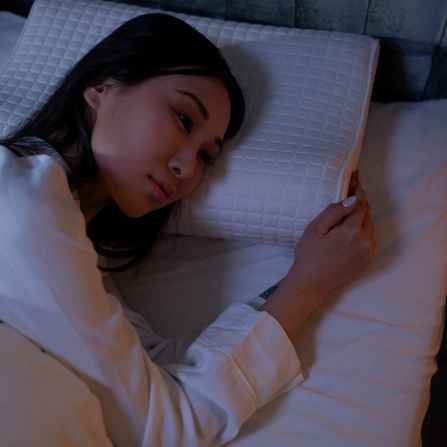
Insomnia and Mental Health
Sleep and mental health are deeply connected. Insomnia may:
- Trigger or worsen depression, anxiety, or suicidal thoughts
- Lead to psychotic episodes, paranoia, or hallucinations
- Increase feelings of isolation, indecisiveness, and irritability
- Reduce your ability to regulate emotions and cope with stress
Treating insomnia can significantly improve mental health outcomes — especially when guided by a physician who understands the full picture.
How The Sleep Institute Can Help
-

Physician-led evaluation to rule out underlying causes
-

Access to Cognitive Behavioral Therapy for Insomnia (CBTi)
-
Integration with sleep apnea testing if symptoms overlap
-

Behavioral recommendations tailored to your sleep patterns
-
Treatment plans that address both sleep and mental health
Sleep Education Hub
-

What Is the Best Home Sleep Test? Why Accuracy ...
Home sleep testing has become a popular and convenient way to diagnose sleep apnea. Instead of spending a night in a sleep laboratory, many people can now complete a home sleep...
What Is the Best Home Sleep Test? Why Accuracy ...
Home sleep testing has become a popular and convenient way to diagnose sleep apnea. Instead of spending a night in a sleep laboratory, many people can now complete a home sleep...
-

How to Clean Your CPAP Properly
In this guide, we’ll walk you through how to clean a CPAP machine step by step, explain how often to clean CPAP equipment, and share best practices recommended by manufacturers...
How to Clean Your CPAP Properly
In this guide, we’ll walk you through how to clean a CPAP machine step by step, explain how often to clean CPAP equipment, and share best practices recommended by manufacturers...
-

Is CPAP the Only Treatment for Sleep Apnea?
While CPAP is highly effective, many people struggle with comfort, dryness, or mask-related issues. As a result, patients often begin searching for CPAP alternatives and exploring options for sleep apnea...
Is CPAP the Only Treatment for Sleep Apnea?
While CPAP is highly effective, many people struggle with comfort, dryness, or mask-related issues. As a result, patients often begin searching for CPAP alternatives and exploring options for sleep apnea...


