

Essential CPAP Accessories & How to Maintain Them
-
1. CPAP Filters
Filters prevent dust, allergens, and airborne particles from entering your device and airways.
- Disposable Filters: Check monthly, and replace every 3 months at minimum sooner if discolored or dirty
Tip: Dirty filters strain the motor and reduce air quality — don’t overlook them.
-

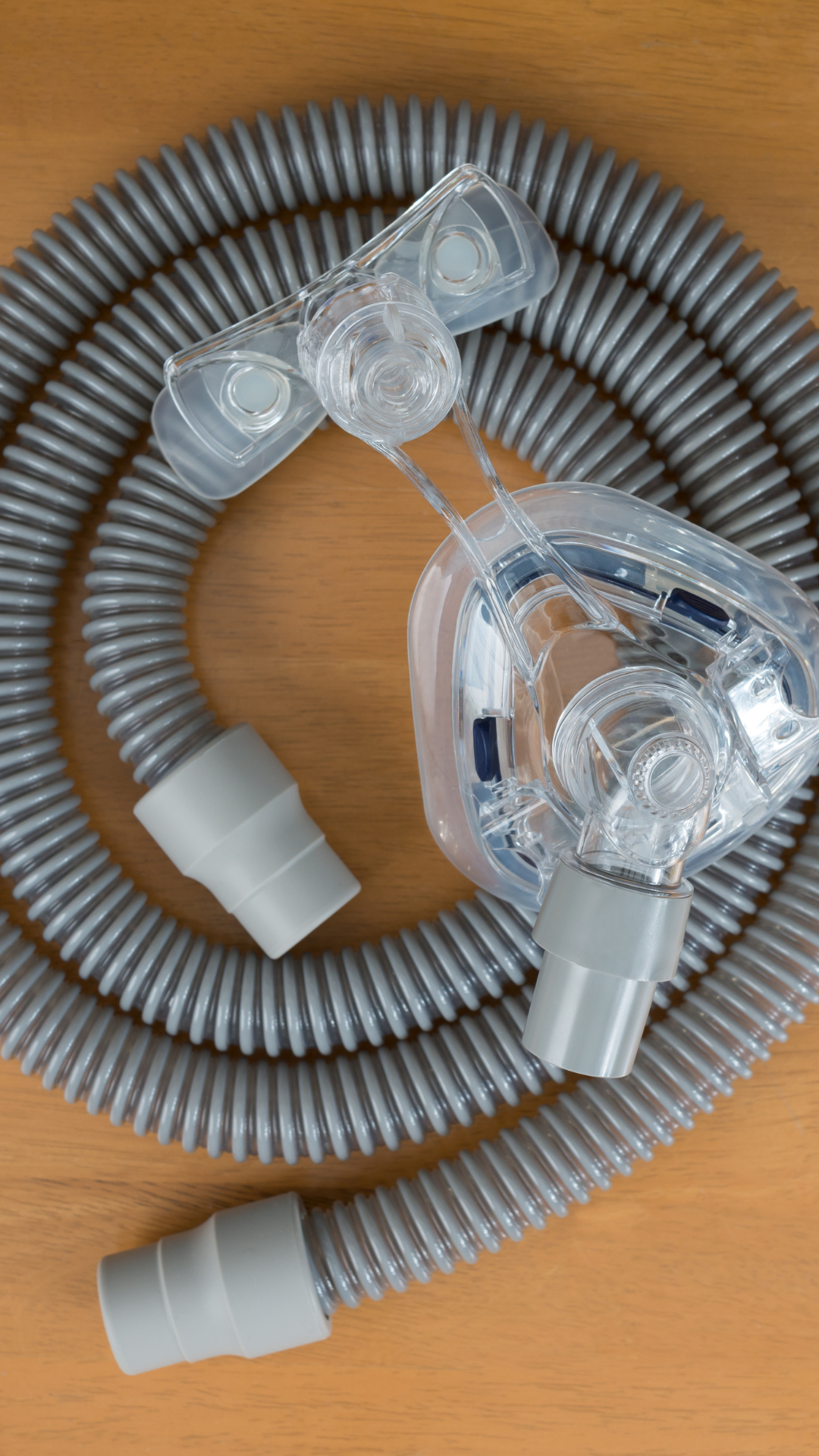
2. CPAP Tubing
Tubing delivers pressurized air from the machine to your mask.
- Clean weekly with warm, soapy water
- Hang to air dry
- Replace every 3-6 months (or sooner if you see tears, cloudiness, or smell mildew)
Tip: Never use tubing that has visible spotting or odor — bacteria and mold can grow quickly.
-

3. Mask Sealer/Barrier Products
CPAP mask sealers (gel or cream) help prevent leaks and skin irritation.
- Apply a thin layer around the mask contact area on your face
- Always wash your face and clean your mask before use
- Replace tubes or containers according to the manufacturer’s expiry
Tip: A good seal improves comfort and pressure delivery — without over-tightening the headgear.
-

4. Disinfecting & Cleaning Systems
Automated CPAP sanitizers (like ozone or UV-based systems) can simplify cleaning routines.
- Use as directed, typically after daily use
- Continue regular manual cleaning — sanitizers are a supplement, not a replacement
- Clean system parts (like reservoirs or hoses) according to manufacturer instructions
Caution: Not all cleaning systems are compatible with every mask or hose — consult The Sleep Institute before use.


Signs It’s Time to Replace Accessories
- Visible discoloration, tears, or stiffness
- Persistent odor after cleaning
- Reduced airflow or noisy machine
- Allergy or sinus symptoms worsening
- Moisture or mold buildup in tubing
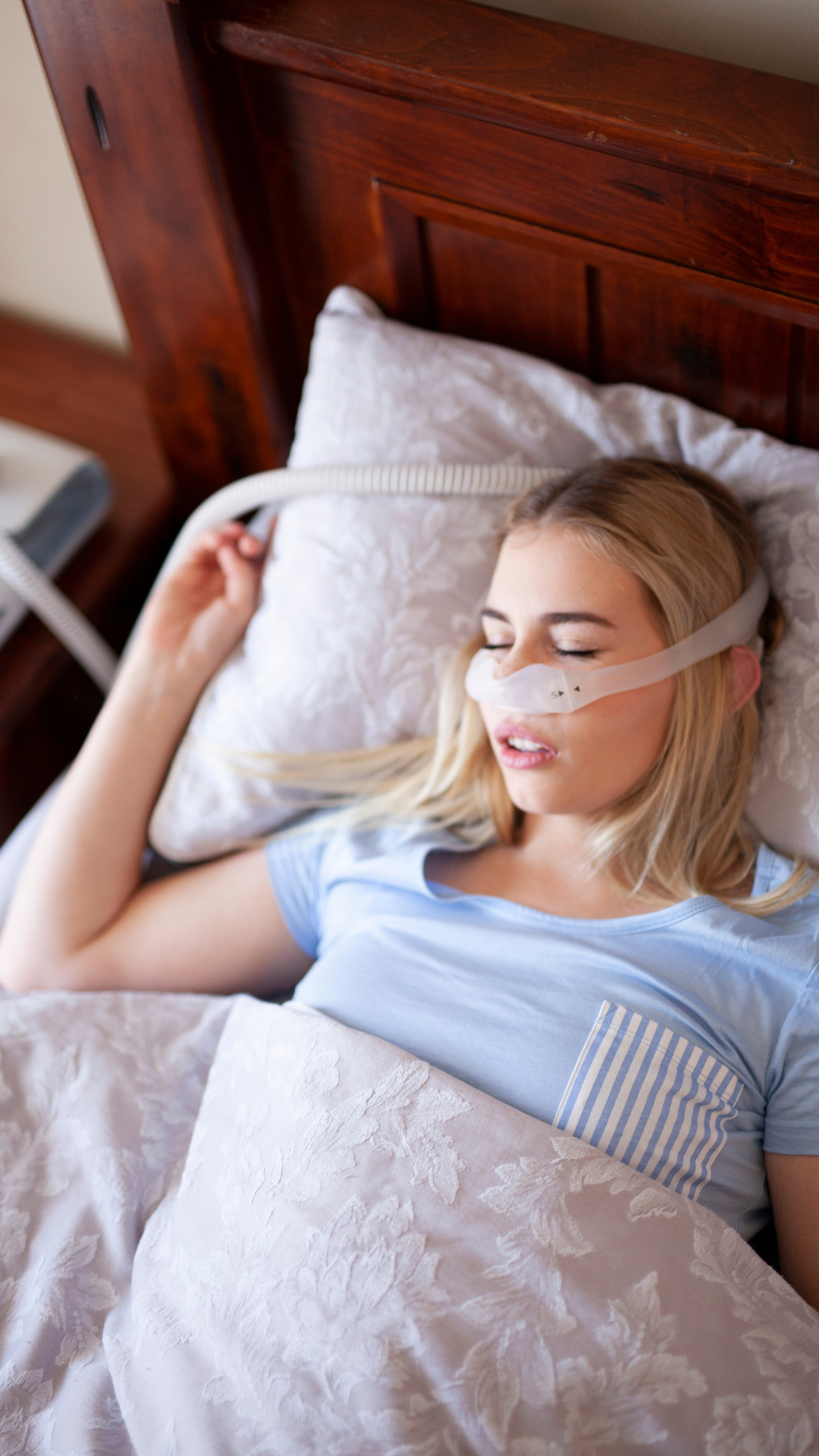
How The Sleep Institute Can Help
We offer:
- Guidance on compatible accessories for your specific CPAP machine
- Replacement schedules tailored to your usage
- Personalized advice on cleaning systems, travel-friendly options, and insurance coverage

Sleep Education Hub
-

Are the New Sleep Medications Safer Than the Ol...
Most people who ask us about sleeping pills are not really asking whether they work. They are asking whether they are safe. Will I get hooked? Will I feel like...
Are the New Sleep Medications Safer Than the Ol...
Most people who ask us about sleeping pills are not really asking whether they work. They are asking whether they are safe. Will I get hooked? Will I feel like...
-

QUVIVIQ vs Dayvigo: How to Choose the Right Sle...
If you have been reading about the newer prescription sleep medications, you have probably landed on the same question a lot of Alberta patients ask us: QUVIVIQ or Dayvigo, which...
QUVIVIQ vs Dayvigo: How to Choose the Right Sle...
If you have been reading about the newer prescription sleep medications, you have probably landed on the same question a lot of Alberta patients ask us: QUVIVIQ or Dayvigo, which...
-

What Are the Side Effects of CPAP?
Most CPAP side effects are mild and temporary. Learn about dry nose, mask irritation, and humidity issues, why sinus and bacterial infections are very rare, and simple ways to reduce...
What Are the Side Effects of CPAP?
Most CPAP side effects are mild and temporary. Learn about dry nose, mask irritation, and humidity issues, why sinus and bacterial infections are very rare, and simple ways to reduce...


