

Types of Insomnia
- Primary Insomnia: Occurs independently of other medical or psychiatric conditions
- Secondary Insomnia: Caused by an underlying health condition (e.g., anxiety, chronic pain, asthma), medication, or substance use
Some people experience insomnia symptoms occasionally and can benefit from behavioral guidance. Others experience the syndrome of insomnia, where daytime symptoms — such as poor memory, mood swings, or chronic exhaustion — indicate the need for specialized treatment.
Special Considerations: Insomnia in Women
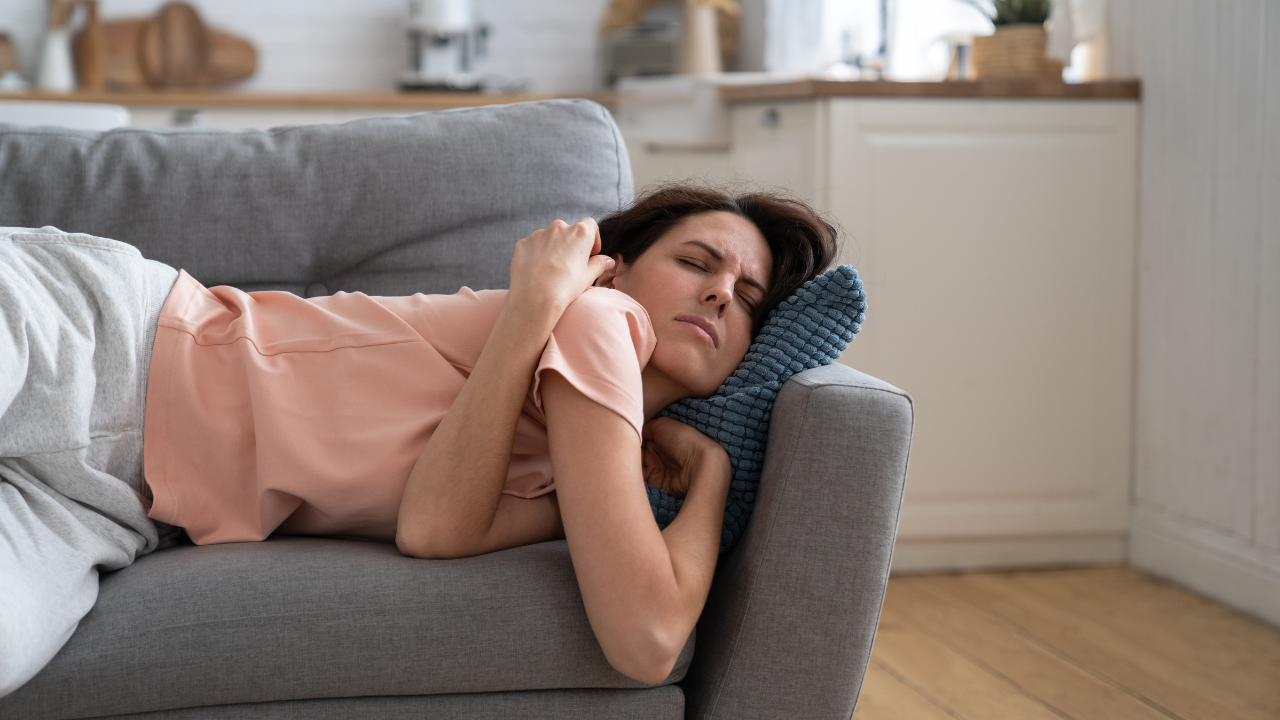
Hormonal fluctuations, pregnancy, menopause, and increased risk of anxiety or depression make women more prone to insomnia. Many women suffer from both sleep disturbances and coexisting mental health conditions, requiring integrated treatment.

Travel Insomnia
Jet lag, unfamiliar environments, or the "First Night Effect" can prevent restful sleep while traveling. Difficulty entering REM sleep and brain alertness in new spaces may result in temporary insomnia.

Workplace Impact
Chronic insomnia reduces performance, concentration, and productivity. It increases the risk of work-related errors, accidents, and burnout — and often results in more sick days or long-term disability claims.
Insomnia and Mental Health
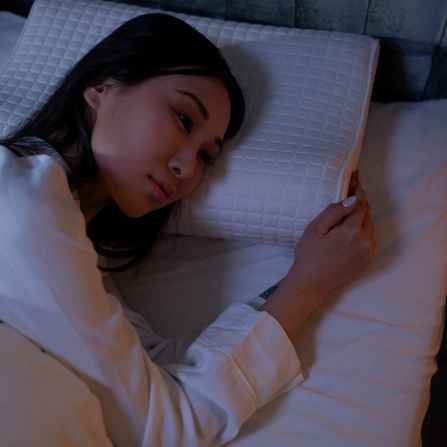
Sleep and mental health are deeply connected. Insomnia may:
- Trigger or worsen depression, anxiety, or suicidal thoughts
- Lead to psychotic episodes, paranoia, or hallucinations
- Increase feelings of isolation, indecisiveness, and irritability
- Reduce your ability to regulate emotions and cope with stress
Treating insomnia can significantly improve mental health outcomes — especially when guided by a physician who understands the full picture.
How The Sleep Institute Can Help
-

Physician-led evaluation to rule out underlying causes
-

Access to Cognitive Behavioral Therapy for Insomnia (CBTi)
-
Integration with sleep apnea testing if symptoms overlap
-

Behavioral recommendations tailored to your sleep patterns
-
Treatment plans that address both sleep and mental health

Sleep Education Hub
-

Are the New Sleep Medications Safer Than the Ol...
Most people who ask us about sleeping pills are not really asking whether they work. They are asking whether they are safe. Will I get hooked? Will I feel like...
Are the New Sleep Medications Safer Than the Ol...
Most people who ask us about sleeping pills are not really asking whether they work. They are asking whether they are safe. Will I get hooked? Will I feel like...
-

QUVIVIQ vs Dayvigo: How to Choose the Right Sle...
If you have been reading about the newer prescription sleep medications, you have probably landed on the same question a lot of Alberta patients ask us: QUVIVIQ or Dayvigo, which...
QUVIVIQ vs Dayvigo: How to Choose the Right Sle...
If you have been reading about the newer prescription sleep medications, you have probably landed on the same question a lot of Alberta patients ask us: QUVIVIQ or Dayvigo, which...
-

What Are the Side Effects of CPAP?
Most CPAP side effects are mild and temporary. Learn about dry nose, mask irritation, and humidity issues, why sinus and bacterial infections are very rare, and simple ways to reduce...
What Are the Side Effects of CPAP?
Most CPAP side effects are mild and temporary. Learn about dry nose, mask irritation, and humidity issues, why sinus and bacterial infections are very rare, and simple ways to reduce...


