

What Is CBTi?
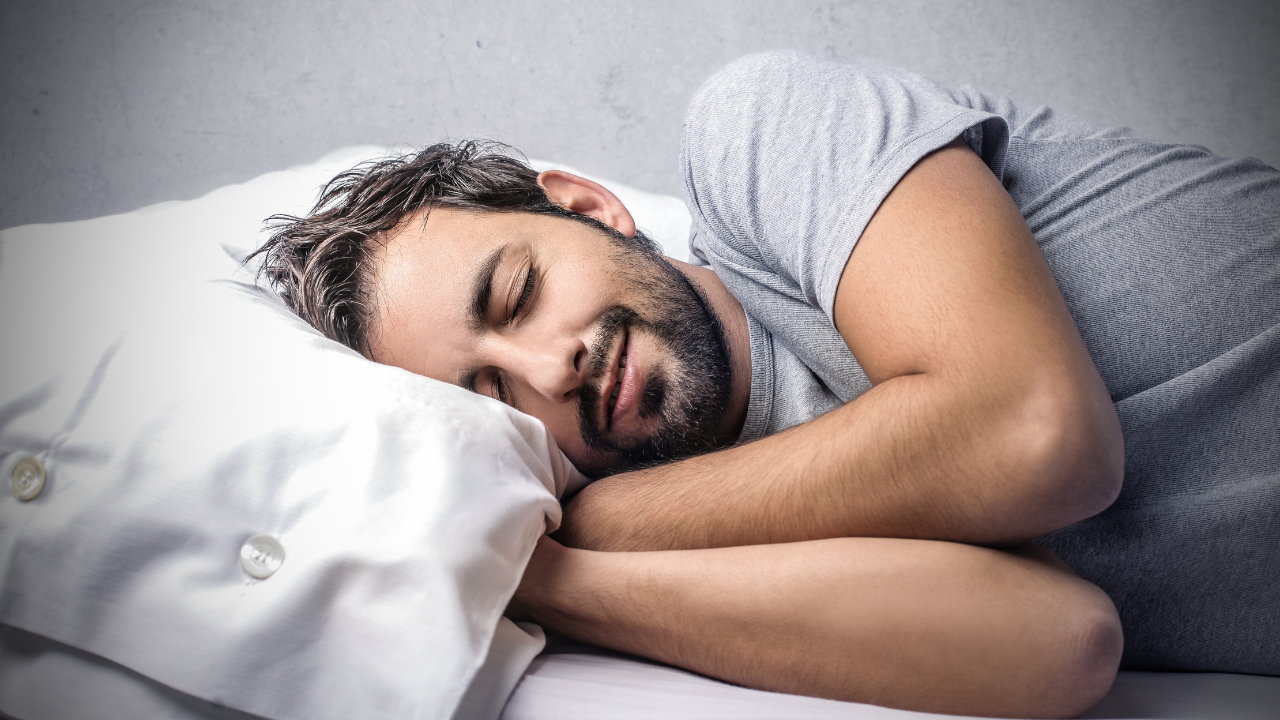
CBTi is a psychological treatment designed to target the underlying causes of insomnia, not just the symptoms. It combines cognitive strategies (to reduce racing thoughts and nighttime anxiety) with behavioral techniques (to break habits that disrupt sleep).
Common components of CBTi include:
- Sleep restriction therapy
- Stimulus control
- Cognitive restructuring
- Sleep hygiene education
- Relaxation techniques
This therapy is supported by decades of clinical research and is endorsed by organizations like the American Academy of Sleep Medicine as the most effective first-line treatment for insomnia.
Covered by Alberta and NWT Health
CBTi is fully covered when recommended by a Sleep Physician at The Sleep Institute. If additional services are required, we’ll walk you through your coverage and any private insurance options.
Why Choose The Sleep Institute for CBTi?
-

Physician-supervised CBTi, integrated with other sleep treatments
-

Experienced team trained in insomnia and sleep disorder management
-
Direct access to diagnostic testing and follow-up
-

Coverage through Alberta and NWT Health
-
No referral needed — self-referral is quick and easy

Sleep Education Hub
-

Is Your Life Shortened By Not Using Your CPAP M...
If you've been prescribed CPAP therapy, skipping nights can have real long-term consequences. We look at what happens when you stop using your CPAP, the side effects of non-compliance, and...
Is Your Life Shortened By Not Using Your CPAP M...
If you've been prescribed CPAP therapy, skipping nights can have real long-term consequences. We look at what happens when you stop using your CPAP, the side effects of non-compliance, and...
-

Does Mouth Taping for Sleep Work?
Mouth taping is everywhere on social media, but does it actually work? We look at what mouth taping is, who it can help, the risks, and how it interacts with...
Does Mouth Taping for Sleep Work?
Mouth taping is everywhere on social media, but does it actually work? We look at what mouth taping is, who it can help, the risks, and how it interacts with...
-

Can I Have Sleep Apnea Without Snoring?
Many people associate sleep apnea with loud snoring, but the reality is more complex. While snoring is one of the most common symptoms of sleep apnea, it is not required...
Can I Have Sleep Apnea Without Snoring?
Many people associate sleep apnea with loud snoring, but the reality is more complex. While snoring is one of the most common symptoms of sleep apnea, it is not required...


